Can Dogs Eat Cherries? Flesh, Pit and Stem Risks Explained


Can Dogs Eat Cherries? The Short Answer
Dogs can eat a small amount of plain, ripe cherry flesh, but whole cherries should not be offered as treats. The distinction matters because the flesh and the other parts of the fruit carry different risks. Cherry pits, stems and leaves should be kept away from dogs.
The ripe flesh is not the main toxicity concern. However, eating too much may cause digestive upset, and cherries are not a necessary part of a balanced canine diet. There is no nutritional reason to introduce them if your dog already eats an appropriate, complete food.
Preparation also matters. A cherry that looks ready to eat may still contain its pit or a broken pit fragment. Removing the stem alone does not make the whole fruit suitable for your dog. Sweetened cherries and cherry desserts are separate products whose other ingredients also need consideration.
If your dog has already eaten cherries, first establish which parts were swallowed. A small bite of plain flesh is a different exposure from several whole cherries, chewed pits or leaves from a cherry tree. Contact your veterinarian promptly if pits or plant material were eaten, or if you cannot determine what your dog swallowed.
An accidental exposure does not automatically mean poisoning will occur, but it should be assessed according to the dog’s size, the amount eaten and the material involved.

Cherry Flesh vs. Pits, Stems and Leaves: What Is the Difference?
Understanding the different parts of a cherry helps explain why a simple “safe” or “toxic” label can be misleading. The ripe flesh is different from the seed inside the pit and from the tree’s stems and leaves.
Part of the cherry | Main consideration for dogs |
Ripe flesh | Not the main cyanide concern; small amounts may be tolerated, but excessive amounts can cause digestive upset. |
Pit or stone | Presents a physical hazard, including possible choking or digestive obstruction. It also encloses the seed. |
Seed inside the pit | Contains cyanogenic compounds that can release cyanide, particularly when the pit and seed are chewed or crushed. |
Stems and leaves | Contain cyanogenic compounds and should not be eaten. Fallen or wilting plant material should also be kept out of reach. |
Cyanide interferes with the body’s ability to use oxygen. However, exposure depends on more than simply whether a cherry was eaten. The plant material involved, the quantity and whether seeds were damaged all affect the assessment.
Swallowing an intact pit and chewing a pit open are not equivalent exposures. An intact pit is less likely to release its contents, but it can still present a physical hazard. That distinction should not be interpreted as permission to feed whole cherries.
For dogs with access to a cherry tree, prevention includes clearing fallen fruit and keeping pruned branches, leaves and discarded pits out of reach. Removing pits from fruit intended for people is only helpful if those pits are then disposed of where the dog cannot retrieve them.

Why Are Cherry Pits Dangerous for Dogs?
Cherry pits present two separate concerns: a physical hazard from the hard stone and a poisoning risk associated with the seed inside it. These risks should be assessed separately because a pit does not need to release toxic compounds to cause a problem.
A swallowed pit may cause choking or become lodged in the digestive tract. The risk depends on the dog’s size, the number of pits swallowed and whether they pass through normally. Small dogs warrant particular caution, but there is no universal number of pits that can be considered safe.
The seed enclosed by the stone contains cyanogenic compounds. Chewing or crushing the pit and seed can allow cyanide to be released. Cyanide interferes with cells’ ability to use oxygen, and a sufficiently large exposure can cause severe, rapidly developing illness.
An intact swallowed pit is less likely to cause cyanide poisoning than a crushed one, but that does not make it harmless. Owners may also be unable to tell whether the dog damaged a pit before swallowing it.
If your dog eats cherry pits, contact your veterinarian and explain approximately how many were involved, when it happened and whether you noticed chewing. Include your dog’s weight and any symptoms. Do not wait for signs of illness before seeking advice, and do not induce vomiting unless a veterinary professional specifically instructs you to do so.
Can Dogs Eat Pitted Cherries?
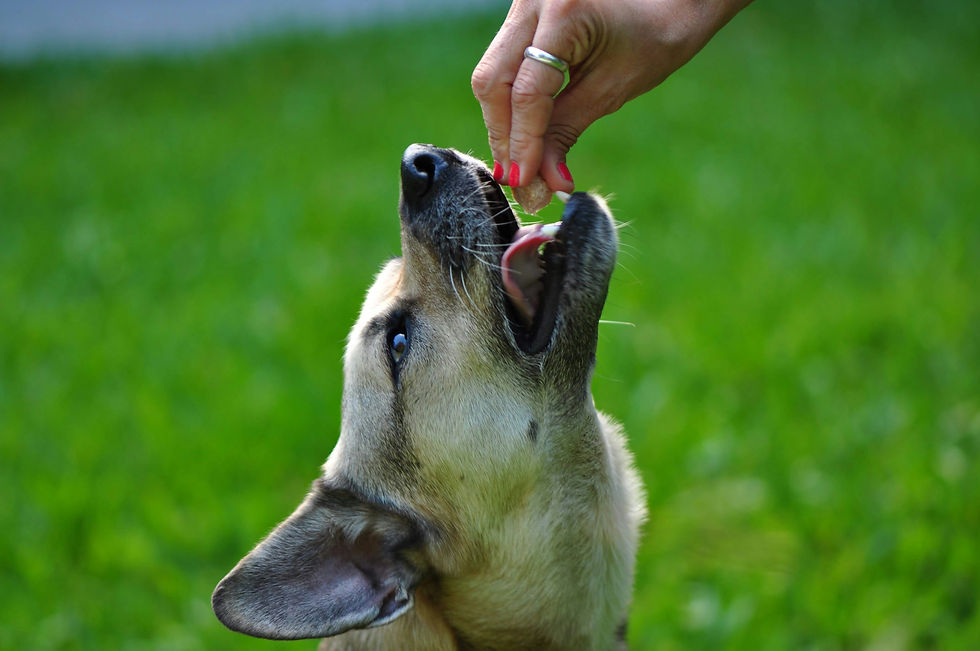
A small amount of plain, ripe cherry flesh may be tolerated by a healthy dog when the pit, stem and leaves have been completely removed. However, pitting reduces specific hazards; it does not turn cherries into a necessary or universally suitable treat.
Check each cherry carefully after removing the pit. A small fragment may remain in the flesh, particularly if the stone cracked during preparation. Wash the fruit, remove unsuitable parts and cut the flesh into pieces appropriate for your dog’s size and eating habits.
If you choose to offer cherry flesh, start with a small bite rather than several cherries. Watch for digestive upset and stop offering it if it causes problems. There is no single serving size that suits every dog, and a food that one dog tolerates may not suit another.
“Pitted” describes preparation, not the safety of an entire product. Pitted cherries packed in syrup, mixed into desserts or combined with other ingredients need a separate assessment. Removing the stone does not remove added sugar or make the other ingredients appropriate for dogs.
Dogs receiving a prescribed diet or undergoing a food allergy trial should not be given new treats without checking the feeding plan. For routine rewards, part of the dog’s regular food is a simpler option that avoids the need to handle and inspect cherry pits.

Can Dogs Eat Dried, Frozen or Maraschino Cherries?
The way cherries are processed changes what owners need to check, but drying or freezing should never be treated as a substitute for removing pits, stems and leaves. Ingredients and portion size also matter.
Dried cherries have less water than fresh fruit, making their sugars and calories more concentrated by weight. Some products also contain added sugar. Plain, fully pitted dried cherry flesh is not automatically poisonous, but it is easy to offer too much and is not an ideal routine treat. Check mixed dried-fruit products carefully: a mixture containing raisins presents a separate, serious danger to dogs.
Frozen cherries require the same preparation checks as fresh cherries. Confirm that they are plain and completely pitted, then inspect for remaining pit fragments. If offering a small amount, thaw it and cut it into manageable pieces rather than giving a hard, whole frozen cherry.
Maraschino cherries are typically preserved in sweetened syrup and are best left out of a dog’s treat routine. Removing the pit does not remove the added sugar. A small accidental bite is not automatically a poisoning emergency, but the ingredients and quantity determine the appropriate response.
Keep the packaging if your dog eats a processed cherry product. It can help your veterinarian distinguish ordinary dietary concerns from exposure to a dangerous ingredient. Do not assume that “natural,” “pitted” or “sugar-free” means suitable for dogs.

Can Dogs Eat Cherry Yogurt, Jam or Pie?
Cherry-flavored foods should be assessed by their complete ingredient list, not by the fruit name on the label. A product containing cherry flesh may also contain dairy, substantial amounts of sugar or fat, or ingredients that are toxic to dogs.
Cherry yogurt may cause digestive upset in dogs that do not tolerate lactose. Sweetened varieties also add unnecessary calories. If yogurt is appropriate for your dog, a small amount of plain, unsweetened yogurt without unsafe additives is a simpler choice than a cherry dessert yogurt.
Cherry jam is usually concentrated and sweetened, making it unsuitable as a regular treat. Sugar-free jam is not automatically safer: some products contain xylitol, which is highly toxic to dogs. Xylitol may also be labeled as birch sugar or wood sugar.
Cherry pie and similar baked desserts often contain substantial amounts of sugar and fat. Recipes vary, and sugar-free versions may contain xylitol. Chocolate-containing variations introduce another hazard. A cooked dessert should not be assumed safe merely because the cherries were baked.
If your dog eats one of these foods, save the label or recipe and estimate the amount consumed. Suspected xylitol ingestion requires immediate veterinary advice, even if your dog appears normal. For other exposures, the ingredients, portion size, dog’s health and any symptoms guide the assessment.
An occasional accidental lick of an ordinary cherry product is different from eating a large serving or a toxic ingredient. Identifying exactly what was eaten is more useful than treating every cherry-flavored food as the same exposure.
My Dog Ate Cherries: What Should I Do?
First, remove any remaining cherries and identify what your dog actually ate. A small piece of plain, pitted flesh is a different situation from swallowed pits, chewed seeds, stems, leaves or a cherry dessert.
If your dog is struggling to breathe, collapsing or having seizures, seek emergency veterinary care immediately. Do not spend time counting missing cherries before getting help.
For a dog that appears well, collect the information your veterinarian will need:
Your dog’s approximate weight, age and relevant health conditions.
When the ingestion happened.
The estimated number of cherries or pits involved.
Whether the pits appeared to be swallowed whole or chewed.
Whether stems, leaves, packaging or other ingredients were eaten.
Any symptoms you have noticed.
Contact your veterinarian promptly if pits or plant material were swallowed, the amount is uncertain, or symptoms develop. If a processed product was involved, keep its packaging or ingredient list. Suspected xylitol ingestion requires immediate advice even when there are no visible symptoms.
Do not induce vomiting or give salt, oil, laxatives or other home remedies unless a veterinary professional specifically directs you. Trying to force a pit through the digestive tract with extra food is not a reliable solution.
If only a small amount of plain cherry flesh was eaten and your dog remains comfortable, monitoring may be sufficient. However, follow individualized advice if your dog has a medical condition or develops digestive symptoms. When home observation is recommended, ask which changes require another call and how long monitoring should continue.
What Symptoms Should You Watch for After a Dog Eats Cherries?
Symptoms depend on the material swallowed and the problem it causes. Digestive upset, obstruction and poisoning are different concerns, and their signs may overlap. A dog appearing normal immediately after ingestion does not rule out a later problem.
Digestive Upset
Vomiting, loose stools, reduced appetite or abdominal discomfort may follow eating cherries or rich cherry-containing foods. These signs do not automatically mean cyanide poisoning, but persistent or worsening symptoms need veterinary assessment.
Choking or Digestive Obstruction
A pit lodged in the airway can cause sudden distress, gagging or difficulty breathing. This is an emergency.
A pit obstructing the digestive tract may cause repeated vomiting, loss of appetite, abdominal pain, lethargy or reduced stool production. Signs may develop later rather than immediately. Passing some stool does not reliably exclude an obstruction, particularly early in its course or when the blockage is partial.
Possible Cyanide Poisoning
Concerning signs include rapid or difficult breathing, unusually bright or brick-red gums, dilated pupils, marked weakness and collapse. Severe poisoning can progress rapidly.
Do not wait for every sign to appear. Gum color and pupil size are not reliable home tests for ruling poisoning in or out.
Symptoms Related to Other Ingredients
If a cherry product contains xylitol, vomiting, weakness, difficulty walking, tremors or seizures may occur. However, suspected exposure requires urgent veterinary advice before symptoms begin.
Tell your veterinarian what was eaten rather than trying to identify the cause from symptoms alone. The exposure history helps determine which risks need attention and how urgently your dog should be examined.
When Does Cherry Ingestion Require Emergency Veterinary Care?
Difficulty breathing, choking, collapse or seizures after eating cherries require immediate emergency veterinary care. These signs are serious regardless of whether the cause is a pit, toxic plant material or another ingredient.
Repeated vomiting, marked abdominal pain, severe weakness or an inability to keep water down also warrant urgent assessment. A swallowed pit can cause a digestive obstruction, and symptoms may develop after the initial exposure rather than immediately.
Some exposures require urgent advice even before symptoms appear. Contact a veterinarian or animal poison service immediately if your dog has chewed several pits, eaten a substantial or unknown quantity of cherry plant material, or consumed a product containing xylitol. Follow their instructions about attending a clinic.
A single swallowed pit does not automatically mean severe poisoning, but it still deserves an individualized assessment. The dog’s size, whether the pit was damaged and the possibility of a physical blockage all matter. There is no reliable home calculation that guarantees safety.
If your regular veterinarian is unavailable, contact an emergency veterinary hospital. Bring the product packaging or a photograph of the plant material when available, but do not delay travel to collect samples.
Do not force food, water or home remedies into a dog that is weak, struggling to breathe or having difficulty swallowing. Treatment decisions—including whether vomiting should be induced—belong to the veterinary team.
Are Cherries Suitable for Puppies or Dogs with Health Conditions?
Cherries are optional treats, and puppies or dogs with medical conditions have no special need to eat them. Avoiding them is a reasonable choice, particularly when safer preparation or dietary consistency is difficult to maintain.
For puppies, the priority is a complete and balanced diet formulated for growth. Their small size also makes a cherry pit a particular concern as a swallowed foreign object. Whole cherries should never be offered, and new foods should not displace normal meals. Part of the puppy’s usual food can serve as a training reward without introducing another ingredient.
Dogs with diabetes or excess weight need treats that fit their individual feeding plan. Cherry flesh contains natural sugars and calories; dried cherries and syrup-packed products can make portion control more difficult. A small piece is not automatically poisonous because a dog has diabetes, but that does not make it an appropriate addition to its diet.
For dogs with ongoing vomiting, diarrhea or other digestive problems, introducing cherries may complicate management. Rich cherry desserts are especially unsuitable for dogs prescribed a low-fat diet, including some dogs with a history of pancreatitis.
Dogs receiving a therapeutic diet or undergoing a food elimination trial should only receive extras permitted by their veterinarian. Even a small amount of an unapproved food can interfere with a carefully controlled feeding plan.
If accidental ingestion occurs, tell the veterinarian about existing illnesses, medications and dietary restrictions. These details help determine whether home observation is appropriate or an examination is needed.
What Fruits Can Dogs Eat Instead of Cherries?
Several fruits are easier to prepare for dogs without the risks associated with cherry pits. Plain, carefully prepared fruit can be an occasional treat for many healthy dogs, but it should not replace a complete and balanced diet.
Choose a fruit your dog tolerates, offer a small amount and prepare it according to your dog’s size and eating habits.
Fruit | Preparation before serving |
Blueberries | Wash thoroughly; mash or cut them for dogs that may swallow them whole. |
Apple | Remove the core, seeds and stem, then cut the flesh into small pieces. |
Strawberries | Wash, remove the leafy tops and cut into manageable bites. |
Watermelon | Remove the rind and seeds; offer small pieces of flesh. |
Banana | Remove the peel and offer a small portion. |
Introduce one new food at a time so that any digestive reaction is easier to identify. Serve fruit without syrup, chocolate, cream or sweeteners. Frozen pieces should also be appropriately sized and easy for the dog to manage.
Never substitute grapes or raisins for cherries. They can cause serious kidney injury in dogs, and suspected ingestion requires prompt veterinary advice.
All treats and extras should generally account for no more than 10% of daily calories. This is an upper allowance, not a target that needs to be reached. Dogs with medical conditions or prescribed diets may need different restrictions.
Fruit is not essential. If your dog dislikes it or develops digestive upset, there is no need to keep offering it. A portion of the dog’s regular food can also be used for rewards.
How to Keep Cherries and Cherry Pits Away from Your Dog
Preventing access is easier than assessing an uncertain exposure afterward. Keep whole cherries, discarded pits and cherry-containing foods somewhere your dog cannot reach, including when you briefly leave the room.
During food preparation, collect pits and stems directly into a secure container rather than leaving them on a plate, napkin or counter edge. Dispose of them in a closed bin that your dog cannot open. Check the floor afterward, especially if children have been eating cherries.
Explain to family members and visitors that whole cherries should not be shared with the dog. A bowl that appears out of reach may still be accessible to a dog that jumps onto furniture or investigates bags.
If you have a cherry tree, regularly clear fallen fruit and restrict access when you cannot keep the area free of it. Keep pruned branches, leaves and garden waste behind a secure barrier. Compost should also be inaccessible.
Store dried-fruit mixtures, cherry desserts and sugar-free products securely in their original packaging. Keeping the label makes ingredients easier to identify if an accident occurs.
Teaching “leave it” and “drop it” can support prevention, but these skills do not replace safe storage and supervision. Avoid chasing a dog that has picked up food, as this may encourage hurried swallowing.
Keep your veterinarian’s and nearest emergency clinic’s contact details readily available. If something is swallowed, knowing whom to call helps you obtain advice without delay.
Frequently Asked Questions About Dogs and Cherries
Can Dogs Eat One Cherry?
It depends on whether the cherry was completely pitted. A small amount of plain, ripe flesh is unlikely to cause poisoning in a healthy dog. A whole cherry introduces a pit-related hazard. If your dog swallowed the pit, contact your veterinarian for advice based on the dog’s size and whether the pit was chewed.
Can One Cherry Pit Kill a Dog?
A single intact pit is unlikely to cause cyanide poisoning, but it should not be considered harmless. Choking or digestive obstruction can still occur, particularly in a small dog. Seek veterinary advice rather than assuming that one pit is always safe or inevitably fatal.
Are Red Cherries and Black Cherries Equally Safe?
Color alone does not establish safety. Ripe flesh from cherries sold for human consumption differs from pits, stems and leaves, which should not be eaten. “Black cherry” may also refer to a wild tree species. If your dog eats unidentified fruit or plant material outdoors, provide a photograph to your veterinarian rather than identifying it by color alone.
Does Cooking Make Cherry Pits Safe for Dogs?
Do not rely on cooking to make cherry pits safe. The hard stone remains a physical hazard, and household cooking is not a reliable method for making potentially toxic plant material suitable for dogs. Remove pits completely and keep them out of reach.
Can Dogs Drink Cherry Juice?
Cherry juice is not a necessary drink for dogs. Products vary and may contain concentrated sugars, added sweeteners or other ingredients. Water should remain the normal drink. If your dog consumes juice containing xylitol, seek immediate veterinary advice.
How Soon Will Symptoms Appear After a Dog Eats Cherries?
There is no single timetable. Serious poisoning can develop rapidly, while problems from swallowed pits may become apparent later. An initially normal appearance does not guarantee that no problem will occur. Ask your veterinarian how long to monitor your dog and which signs require an examination.
Should I Make My Dog Vomit After Eating Cherry Pits?
No—not unless a veterinary professional specifically instructs you. Whether inducing vomiting is appropriate depends on the exposure, timing and dog’s condition. Salt, oil and other home remedies can cause additional harm.
Can Dogs Eat Cherries Every Day?
Dogs do not need cherries every day. Even correctly prepared flesh adds calories and may cause digestive upset in some individuals. If treats are offered, they should fit the overall feeding plan and should not displace complete and balanced food.
References
Source | Full URL |
American Kennel Club — Can Dogs Eat Cherries? | |
ASPCA — Cherry: Toxic and Non-Toxic Plants | |
ASPCA — Sweet Cherry | |
ASPCA — Black Cherry | |
U.S. Food and Drug Administration — Potentially Dangerous Items for Your Pet | |
U.S. Food and Drug Administration — Paws Off! Xylitol Is Toxic to Dogs | |
U.S. Food and Drug Administration — Who Do You Call if You Have a Pet Emergency? | |
American Kennel Club — Can Dogs Eat Yogurt? | |
American Kennel Club — Fruits and Vegetables Dogs Can or Can’t Eat | |
University of California, Davis, School of Veterinary Medicine — Treat Guidelines for Dogs | |
Vetsaglik - Animal Health And Nutrition |


Yorumlar