Can Cats Eat Tuna? Safety, Mercury Risks & How Much Is Too Much


Can Cats Eat Tuna Safely?
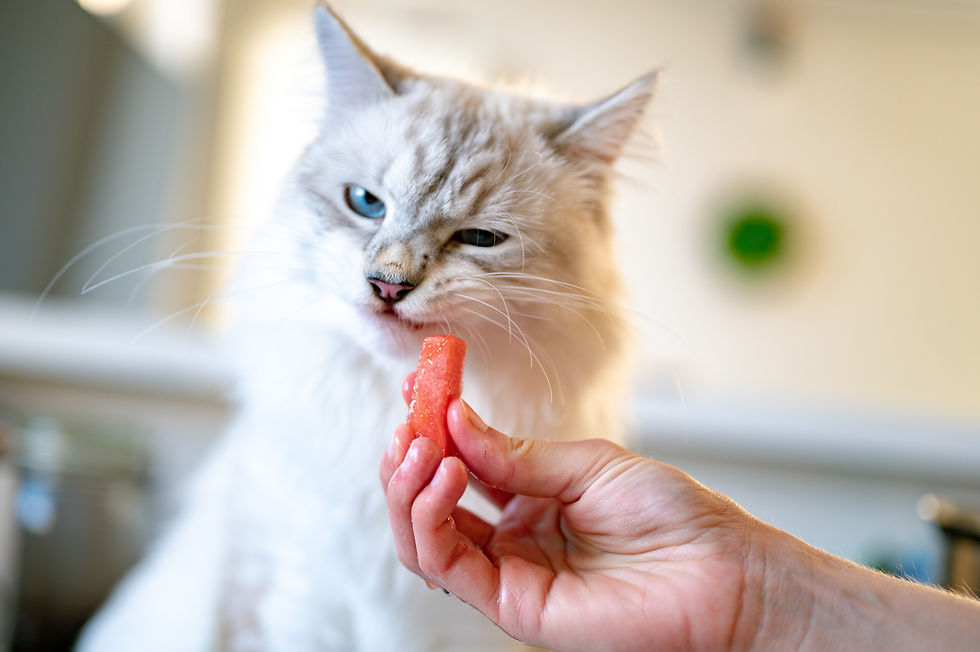
Most healthy adult cats can have a small amount of plain, fully cooked tuna as an occasional treat. It should be boneless and served without salt, oil, sauces, or seasonings. Tuna is not a necessary part of a cat’s diet, so there is no nutritional reason to add it if your cat already eats a suitable complete food.
The kind of tuna and how it is prepared matter. A bite of plain cooked tuna is different from tuna packed in oil or brine, raw fish, or a seasoned tuna dish. Human foods may contain ingredients that are unsuitable or harmful to cats, so check the full ingredient list before sharing anything from a can or prepared meal.
Tuna prepared specifically for cats is also different from human-grade tuna. Some cat foods containing tuna are formulated to provide complete and balanced nutrition; others are treats or complementary foods intended only for occasional feeding. Check the product label rather than assuming every tuna-flavored cat food can serve as a complete diet.
If your cat has a medical condition, follows a prescription diet, or has had digestive problems after eating fish, ask your veterinarian before offering tuna. When introducing any new food, start with a tiny taste and stop if your cat develops vomiting, diarrhea, itching, or another unusual reaction.

Is Tuna Good for Cats?
Tuna contains protein and other nutrients, and many cats find its smell and taste appealing. That can make a little plain tuna useful as an occasional treat. But a food can contain nutrients without being a good everyday choice: what matters is whether it provides the right balance for a cat’s overall diet.
Human-grade tuna by itself is not a complete and balanced food for cats. It does not reliably provide all the nutrients a cat needs in the right proportions. Feeding it regularly or using it to replace a substantial part of a cat’s usual food can unbalance the diet. A product labeled as a complete cat food is different: it is formulated to meet cats’ nutritional needs when fed as directed.
Tuna is best viewed as an optional treat, not a way to improve a healthy cat’s diet or treat a health problem. Cats that eat too many extras may consume more calories than they need or become less interested in their regular food. Frequent feeding also raises concerns beyond calories, including the risks associated with relying on one fish as a routine food.
Your cat does not need tuna to thrive. A nutritionally complete cat food should remain the foundation of the diet, while any treats—including tuna—should be occasional and appropriate for that individual cat.
Can Tuna Replace a Cat’s Regular Food?
No. Human-grade tuna should not replace a complete and balanced cat food. Although tuna provides protein and some nutrients, it does not reliably supply the full range and proportions of nutrients cats need when fed as their main diet. A diet based mostly on tuna can become nutritionally unbalanced over time.
The problem is not that tuna contains no useful nutrients; it is that one food cannot be assumed to meet a cat’s needs just because it is protein-rich. Cats need a carefully balanced diet that supports their health at their life stage. Regularly replacing their normal food with tuna—or using tuna as a major meal ingredient—can displace that balance.
Tuna can also become a preference issue. If a cat regularly receives especially appealing extras, they may become reluctant to eat their usual food. A cat that suddenly refuses its regular meals should not simply be kept full with tuna; appetite changes can signal illness and deserve attention.
Keep tuna as an occasional treat, and make sure the cat’s main diet is labeled complete and balanced for the appropriate life stage. If you are considering a homemade diet or your cat is on a therapeutic diet, ask a veterinarian or veterinary nutritionist before making changes.

Cat Food With Tuna vs. Human-Grade Tuna: What’s the Difference?
The word “tuna” on a package does not tell you whether a product can serve as a cat’s main food. The key distinction is whether it is formulated and labeled as complete and balanced for cats, or whether it is a treat or complementary food.
A complete cat food is designed to provide the nutrients cats need when fed according to the label. A tuna-flavored food can be complete even if tuna is only one ingredient, while a product made mostly of tuna may still be intended only as a topper or treat. Read the nutritional adequacy statement and feeding directions instead of judging by the flavor or front-of-package claims.
Human-grade tuna is made for people, not formulated to meet feline nutritional requirements. It may also contain added salt, oil, broth, flavorings, or other ingredients. Even plain tuna packed in water is not nutritionally equivalent to a complete cat food, and “packed in water” does not automatically mean it is suitable as a regular meal.
Use cat treats and complementary foods only as directed on their labels, and keep them from displacing the complete food that forms the foundation of your cat’s diet. If the label is unclear about whether a tuna product is a complete food or an occasional treat, check with the manufacturer or your veterinarian before using it as a meal.

Can Cats Eat Canned Tuna in Water or Oil?
If you offer tuna, plain tuna packed in water with no added salt or seasonings is generally the simpler option. Drain it and give only a small taste. Water-packed tuna is still human food, however—not a complete cat food—and should remain an occasional treat.
Tuna packed in oil is best avoided as a treat. The added oil increases calories and may upset some cats’ stomachs. A small accidental taste does not automatically mean an emergency, but contact your veterinarian if your cat eats a large amount or develops vomiting, diarrhea, or other concerning signs.
Check the label carefully. Tuna packed in brine can contain added salt, while flavored products may include ingredients such as onion or garlic that are unsafe for cats. Broths and sauces can also contain seasonings or other additions. Do not assume that “plain tuna” on the front of a package means the ingredients are suitable for your cat.
Canned tuna in water, canned tuna in oil, and complete canned cat food with tuna are different products. Only a cat food labeled complete and balanced for the appropriate life stage should be used as a regular meal.

Can Cats Eat Raw Tuna?
Raw tuna is not a recommended treat for cats. Uncooked fish can carry bacteria or parasites, and handling it can spread germs to people, food-preparation surfaces, and utensils. Cooking the fish thoroughly reduces some food-safety risks; it does not make tuna a nutritionally complete meal.
Feeding raw fish repeatedly can also create nutritional problems. Some raw fish contain enzymes that can break down thiamine, an essential B vitamin. This concern is associated particularly with raw freshwater fish; it should not be presented as a risk unique to tuna. More broadly, a diet built around a limited number of foods can fail to provide the balanced nutrition a cat needs.
For a safer occasional taste, offer a small amount of plain, fully cooked, boneless tuna with no oil, salt, or seasoning. Avoid raw fish, and do not use tuna as a substitute for complete cat food. If your cat has eaten raw tuna and becomes unwell, contact your veterinarian and explain how much was eaten and when.

Mercury in Tuna: Why Frequent Feeding Can Be Risky
Tuna can contain methylmercury, a form of mercury that builds up in fish. The amount varies by tuna species and product; larger, longer-lived fish tend to accumulate more. Because tuna products differ, “tuna” is not one uniform exposure.
The concern for cats is repeated feeding over time, especially when tuna becomes a frequent part of the diet. Veterinary references describe long-term mercury poisoning associated with commercial fish products, including tuna. Large amounts of canned tuna can also contribute to nutritional problems, including vitamin E deficiency. These risks are reasons to keep human-grade tuna occasional—not evidence that one small taste will poison a cat.
Human fish-consumption advice and serving charts are designed for people and should not be used to calculate a safe tuna portion for cats. If your cat has been eating tuna regularly or as a major part of its diet, discuss the amount, product type, and duration with your veterinarian. Seek veterinary advice promptly if your cat develops unusual coordination problems, tremors, weakness, or other neurologic changes.

How Much Tuna Can Cats Eat, and How Often?
There is no universal tuna portion that is appropriate for every cat. A cat’s size, health, usual diet, activity, and the type of tuna all matter. If your veterinarian has not advised otherwise, think of tuna as an occasional taste: offer a few small flakes of plain, fully cooked, boneless tuna, not a whole can or a replacement meal.
Treats should stay limited. A commonly used guideline is to keep all treats and extras combined to no more than about 10% of a cat’s daily calories; this is an upper limit, not a target or a tuna allowance. Tuna shares that amount with every other treat, topper, and table scrap your cat receives.
Avoid making tuna a daily routine. Frequent feeding can add calories, encourage a cat to reject its balanced food, and increase exposure to concerns associated with relying on tuna. Cats on prescription diets or with health conditions may need to avoid extra foods, so check with your veterinarian before offering tuna.
When introducing it, start with a small taste and watch for digestive upset or other unusual reactions. If your cat develops vomiting, diarrhea, or itching after eating tuna, stop offering it and contact your veterinarian for advice.

Which Tuna Ingredients Should Cats Avoid?
Choose only plain tuna if you decide to offer a small taste. Tuna mixed with seasonings, sauces, or other ingredients is a different food, and the added ingredients may be unsuitable or harmful to cats.
Avoid tuna or tuna dishes containing:
Onion, garlic, chives, or their powders: These allium ingredients can damage a cat’s red blood cells.
Brine or added salt: Excess salt is unnecessary and can be especially unsuitable for cats with certain health conditions.
Oil, butter, mayonnaise, or rich sauces: These add fat and calories and may cause digestive upset.
Spices and flavorings: Products such as seasoned tuna, tuna salad, and flavored pouches may contain ingredients cats should not eat.
Bones: Remove any bones, which can pose choking or injury risks.
Read the full ingredient list rather than relying on the package’s front label. If your cat eats tuna containing onion or garlic, contact a veterinarian for advice; do not wait for symptoms to appear. Tell the clinic what product was eaten, how much, and when.

Can Kittens or Cats With Health Conditions Eat Tuna?
Kittens need food formulated for growth, with the nutrients and energy required for development. Human-grade tuna is not a substitute for kitten food. If you want to offer a taste, ask your veterinarian first—especially if the kitten is very young, still transitioning to solid food, or has digestive problems.
Cats with health conditions may have specific dietary requirements. A veterinarian may recommend a prescription diet or carefully controlled food choices for a cat with kidney, digestive, pancreatic, heart, or other health concerns. In those cases, even a small treat can conflict with the feeding plan, so check before offering tuna.
Fish can also trigger a reaction in some cats. If your cat has a known fish allergy or has developed itching, vomiting, or diarrhea after eating fish, do not use tuna to test whether the reaction will happen again. Ask your veterinarian how to manage the suspected food sensitivity.
For cats on medication, a prescribed diet, or a weight-management plan, follow the veterinarian’s instructions about treats. If tuna is allowed, the clinic can help determine whether the product and portion suit your cat’s individual needs.

What Should You Do If Your Cat Eats Too Much Tuna?
First, check what your cat ate. A small accidental bite of plain tuna does not automatically mean your cat has been poisoned. The amount, the product, whether it was raw or cooked, and your cat’s health all affect what to do next.
Remove the remaining food and keep the packaging or ingredient list. Note approximately how much your cat ate and when. Make sure fresh water is available, and monitor your cat for vomiting, diarrhea, reduced appetite, unusual tiredness, or other changes. Do not induce vomiting or give home remedies unless a veterinarian specifically instructs you to.
Contact a veterinarian if your cat ate a large amount, ate tuna packed with onion or garlic, or has a medical condition that may affect how the food is handled. If tuna has been a regular or major part of your cat’s diet, tell your veterinarian how often and for how long. Long-term dietary concerns are different from a single small taste and may need a feeding-plan review.
When Should You Contact a Veterinarian?
Call your veterinarian for advice if your cat develops repeated vomiting, persistent diarrhea, marked lethargy, refuses food, or shows another concerning change after eating tuna. Also contact the clinic if the product contained onion or garlic, if your cat ate a substantial amount of salty or seasoned tuna, or if you are unsure what was in the food.
Seek urgent veterinary care if your cat has weakness, tremors, difficulty walking, collapse, seizures, or trouble breathing. Bring the packaging or a photo of the ingredient list if possible, and tell the veterinarian how much was eaten and when. Do not wait for symptoms if you know the tuna contained a potentially harmful ingredient.
If your cat seems well after a small taste of plain tuna, an emergency visit is generally not needed. Keep tuna occasional, return to your cat’s usual complete food, and ask your veterinarian before offering it again if your cat is a kitten, has a health condition, or eats a prescription diet.
Can Cats Have Tuna Water?
A few drops of plain water from tuna packed in water may tempt some cats to drink, but it should not replace fresh water. Use it only if the product contains no added salt, seasonings, onion, garlic, or other ingredients your cat should avoid. Water from tuna packed in oil or brine is not a suitable choice.
If you try it, add just a small amount to your cat’s water and offer a separate bowl of fresh water as well. Do not leave tuna water sitting out for long, and discard it if your cat does not drink it. Cats with kidney, heart, or other health conditions may need specific dietary guidance, so ask your veterinarian before adding it to their routine.
Frequently Asked Questions About Cats and Tuna
Can cats eat tuna every day?
Tuna intended for people should not be a daily food for cats. It is not a complete and balanced diet, and frequent feeding can displace nutritionally complete cat food. Keep it occasional and offer only a small amount of plain, fully cooked tuna.
Can cats eat tuna in water?
A small taste of plain tuna packed in water may be suitable for some healthy cats as an occasional treat. Check that it has no added salt, seasonings, onion, or garlic. Water-packed tuna is still not a complete cat food.
Is tuna in oil safe for cats?
Tuna packed in oil is best avoided as a treat. The oil adds calories and may upset some cats’ stomachs. If your cat has eaten a small amount accidentally, monitor them and contact your veterinarian if symptoms develop or a large amount was eaten.
Can cats eat raw tuna?
Raw tuna is not recommended. Uncooked fish can carry foodborne pathogens, and raw fish should not be used as a regular part of a cat’s diet. If offering tuna, choose a small amount that is fully cooked, plain, and boneless.
Can tuna cause mercury poisoning in cats?
Repeated exposure from a diet containing a lot of tuna is a greater concern than a single small taste. Mercury levels vary among tuna products, and human fish-consumption guidelines do not set safe portions for cats. Do not feed tuna regularly; contact your veterinarian if it has been a major part of your cat’s diet.
What if my cat ate a bite of plain tuna?
A small accidental bite of plain tuna does not automatically mean an emergency. Check the ingredients, note how much your cat ate, and watch for vomiting, diarrhea, or unusual behavior. Contact a veterinarian if the tuna contained onion or garlic, your cat ate a large amount, or symptoms appear.
Sources
Official source | Direct link |
Merck Veterinary Manual — Mercury Toxicosis in Animals | |
Merck Veterinary Manual — Nutritional Requirements of Small Animals | |
Merck Veterinary Manual — Garlic and Onion (Allium spp) Toxicosis in Animals | |
Cornell Feline Health Center — Feeding Your Cat | |
Cornell Feline Health Center — Hydration | |
U.S. Food and Drug Administration — “Complete and Balanced” Pet Food | |
U.S. Food and Drug Administration — Tips for Safe Handling of Pet Food and Treats | |
U.S. Food and Drug Administration — Selecting and Serving Fresh and Frozen Seafood Safely | |
U.S. Food and Drug Administration — Advice About Eating Fish (human guidance on mercury levels; not a feeding guide for cats) | |
ASPCA Animal Poison Control Center — People Foods to Avoid Feeding Your Pets |


Yorumlar